Innovate | Automate | Transform

Industry Revolution Towards Industry 5.0
From Industry 1.0 to Industry 5.0 — Gemicorn Building Human‑Centric, Resilient& Secure Enterprises
Gemicorn helps organizations move beyond Industry 4.0 pilots to measurable Industry 5.0 outcomes where people and AI collaborate, operations are sustainable and ethical, and security is embedded from code to shopfloor. Each revolution is not just about machines it’s about progress. Today, Industry 5.0 is redefining the future by blending human creativity with intelligent technology, ensuring growth that is secure, resilient & meaningful.
Why this industry revolution is important?
- Catalysts of Progress – Each revolution reshaped economies, industries, and societies, driving innovation, efficiency, and global growth.
- Shaping Competitiveness – Companies that embraced each industrial shift stayed ahead; those that didn’t, fell behind.
- Human-Centric Future – Industry 5.0 matters most because it balances technology with human creativity, sustainability, and resilience, ensuring progress benefits people and the planet.
The Journey of Industrial Revolutions
Human history has been shaped by waves of innovation known as the Industrial Revolutions. Each revolution transformed how we work, live, and create value, driving societies into new eras of progress.
- • Powered by steam engines and mechanization.
- • Shift from manual labor to machine-driven production.
- • Sparked urbanization and global trade.
- • Introduction of electricity and assembly lines.
- • Rise of mass production and modern factories.
- • Accelerated growth in transport, manufacturing, and communications.
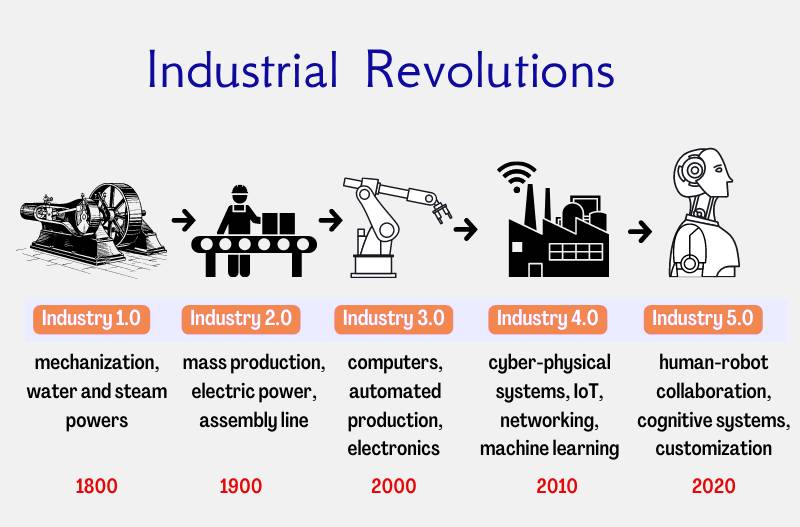
- • Computers, electronics, and IT automation entered the workplace
- • Birth of robotics, early internet, and enterprise software.
- • Efficiency and global connectivity became key drivers.
- • Powered by IoT, cloud computing, AI, and big data.
- • Smart factories with automation and real-time analytics.
- • Seamless global supply chains and data-driven decision making.
- • Focus on collaboration between humans and advanced technology.
- • Driven by sustainability, resilience, personalization, and security.
- • Creates enterprises that are not only efficient but also human-centric, innovative, and sustainable.
Industrial Revolutions in Norway & Europe: A Journey Toward Industry 5.0
From the age of steam to the era of smart factories, Europe has always been at the forefront of industrial transformation. Norway, with its strong foundation in energy, shipping, and technology, has mirrored this journey—balancing tradition with innovation. Shaping Growth Through Every Revolution.
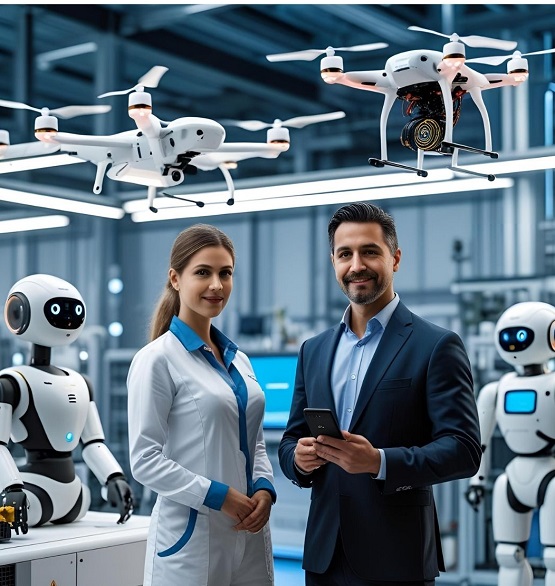
Europe is reinventing industry for a sustainable and intelligent future
Industry 5.0: A Human-Centric European Vision
Industry 5.0 is not just about automation, it’s about putting people and the planet at the center of progress. By combining AI, robotics, and digital transformation with sustainability goals.
Today, the European Union and countries like Norway are championing Industry 5.0, a model that goes beyond efficiency. It emphasizes:
Sustainability: Cleaner energy, circular economy, and reduced environmental footprint.
Human-Centric Innovation: Balancing AI and robotics with human creativity and decision-making.
Resilience & Security: Cybersecurity and supply-chain resilience as strategic priorities.
For Europe and Norway, embracing Industry 5.0 means securing economic leadership, strengthening societal well-being, and ensuring technology serves people—not the other way around. It positions the region not just as a hub of innovation, but as a global role model for sustainable and secure industrial growth.